

No. A 3 mm microneedle setting is not appropriate for at-home use. It can cause substantial skin injury, and owning a pen that reaches that depth does not make it safe to use without clinical assessment. Numbing cream, a sterile cartridge and online instructions do not remove the risks of infection, scarring or pigment changes.
If you are researching deeper treatment for acne scars, stretch marks or hair loss, the next step is an assessment by a qualified medical professional. The useful question is not how deep your device can go, but whether microneedling is suitable for your concern at all.
What does a 3 mm setting actually mean?
Three millimeters describes a needle length or device depth setting, depending on the product. It is not a guarantee that every puncture reaches exactly 3 mm into living skin.
Actual penetration depends on the device mechanism, cartridge, pressure, skin movement and treatment location. A roller’s listed needle length and a motorized pen’s adjustable setting are also not directly interchangeable treatment instructions.
Skin thickness varies across the body and within the face. A needle traveling 3 mm can reach beyond the dermis in thinner areas. That makes a single setting applied across multiple areas particularly hazardous.
Needle count is a separate measurement. A cartridge with more needles does not automatically work deeper, produce better results or make an aggressive setting safer. Likewise, a product listing that advertises a maximum depth describes a capability, not a recommended treatment plan.
Why 3 mm microneedle use is not a DIY treatment
Microneedling deliberately injures the skin. Increasing the depth changes the potential extent of that injury, not just the intensity of the sensation.
At home, you cannot reliably assess which tissue layers are being reached or distinguish an appropriate treatment response from excessive trauma. Pain is not a reliable safeguard, especially when a topical anesthetic reduces sensation.
| Risk | Why deeper treatment raises concern |
|---|---|
| Bleeding and bruising | Needles can injure blood vessels, with consequences affected by location and medications. |
| Infection | Punctures breach the skin barrier and can introduce microorganisms. |
| Scarring or persistent texture changes | Excessive injury can heal with unwanted structural changes. |
| Dark or light patches | Inflammation can cause pigment changes, including post-inflammatory hyperpigmentation. |
Bleeding is not a home treatment goal or proof that a session is working. More passes, greater pressure or a deeper setting cannot be assumed to produce more collagen or better results.
Some areas warrant particular caution. The eyelids and surrounding skin should not be treated as extensions of the cheeks. Our guide to under-eye microneedling risks explains why this location needs a separate assessment.
Does this depth ever belong in professional treatment?
A 3 mm microneedle setting is not automatically appropriate just because treatment takes place in a clinic. A qualified clinician must decide whether the device, depth and treatment site fit the individual patient and the device’s labeling.
That assessment includes the diagnosis, scar characteristics, skin thickness, history of pigment changes and ability to heal. The clinician must also consider whether a different treatment would address the concern more effectively.
For example, depressed acne scars are not all structurally alike. Some are tethered beneath the surface, while others have narrow or sharply defined edges. Simply increasing needle depth does not address every scar type. Raised or keloid scars require a different assessment and should never be treated on the assumption that deeper needling will flatten them.
Professional care also involves infection-control procedures, assessment of appropriate treatment endpoints and a plan for complications. It is not simply the same home session performed with stronger numbing cream.
Health information to disclose before treatment
Before considering a 3 mm microneedle procedure, tell the clinician about medications, supplements, recent skin treatments and previous healing problems. Do not stop prescribed medication on your own to make yourself eligible.
Active infection, inflamed acne, open wounds, eczema flares or a history of keloids may change the recommendation. Blood-thinning medication, immune suppression, diabetes and previous cold sores also deserve discussion. These factors require individualized judgment rather than an online depth chart.
Include smoking, vaping and nicotine use in that conversation. If you use e-liquids from a retailer such as Vapothèque, a Swiss vape shop, check the nicotine information on the packaging and share it with your clinician. Nicotine can reduce blood flow, making it relevant to wound-healing assessment. Retail product information is not a substitute for medical advice about preparing for a procedure.
What to check before buying a microneedling pen
A sensible purchase starts with intended use, not maximum needle extension. First establish who is permitted to operate the device and which treatments its instructions cover.
The FDA’s information on microneedling devices states that it has not authorized microneedling medical devices for over-the-counter sale. FDA clearance for a particular device should not be interpreted as authorization for unsupervised home treatment, every body area or every available setting.
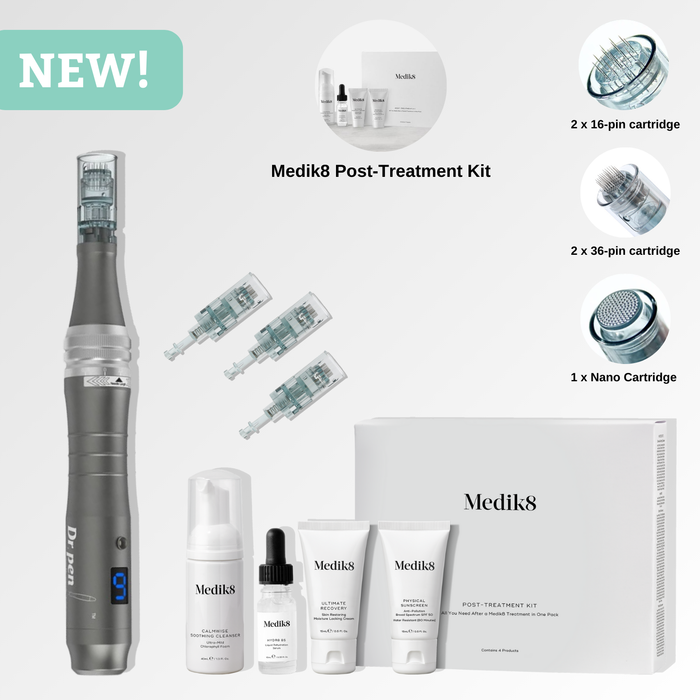
When comparing a Dr. Pen A20 with another model, verify the exact model name and documentation. A regulatory claim for one device does not transfer to every pen sold under the same brand. Authenticity, intended users and compatible cartridges are separate checks, all of which matter.
Our guide to evaluating a microneedling medical device before buying explains how to examine those details.
Do not choose a pen because a seller highlights a 3 mm microneedle capability. Choose only after you understand its labeling and whether the intended treatment belongs in professional care. If the instructions or regulatory claims are unclear, resolve that uncertainty before purchasing or using it.
Genuine cartridges do not make an unsuitable depth safe
An authentic device and the correct sterile, single-use cartridge are important safeguards, but they cannot compensate for an inappropriate treatment plan.
Confirm compatibility with the exact pen model rather than relying on visual similarity. Check the packaging, expiration date where provided and manufacturer instructions. Do not use a cartridge with damaged packaging, and never share or reuse a cartridge intended for single use. Cleaning or soaking it in alcohol does not restore its original sterile condition.
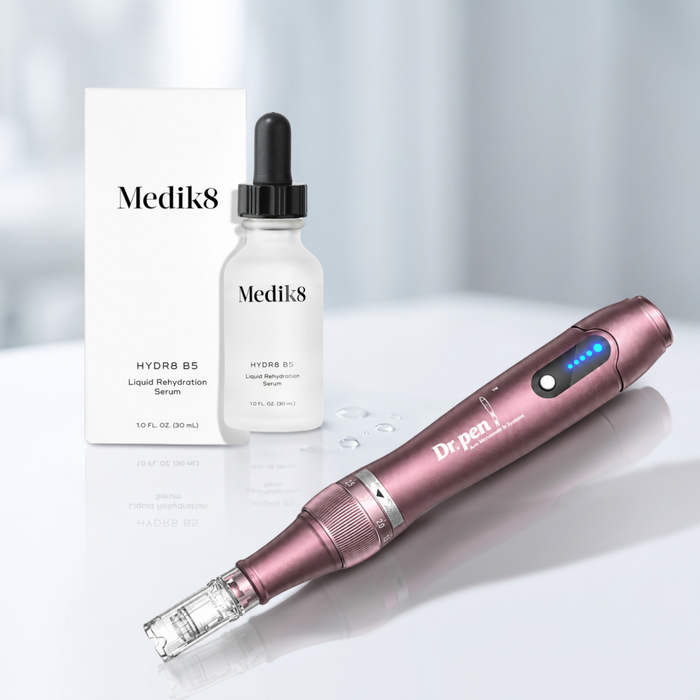
Also check what the manufacturer permits to contact freshly treated skin. A skincare product described as hydrating or suitable for sensitive skin is not automatically appropriate for use through a disrupted skin barrier. Do not assume a cosmetic serum can safely be delivered into punctured skin.

What if you have already used this depth at home?
If you have already used a 3 mm microneedle setting, stop treatment rather than making additional passes to even out the result. Do not repeat the session on another area to compare reactions.
Gently cleanse without scrubbing, avoid picking and do not apply acids, retinoids, additional numbing cream or unapproved products to the injured skin. Contact a qualified healthcare professional promptly for advice based on the location, extent of injury and your health history. Tell them which device and setting you used, when you used it and what products contacted the skin.
Seek urgent medical care for heavy or persistent bleeding, severe or increasing pain, spreading redness, warmth, pus or fever. Eye pain or vision changes after treatment near the eyes also require urgent assessment.
Some complications appear later rather than immediately. Persistent darkening, light patches, worsening texture or delayed healing should be assessed instead of treated with another needling session. Photographing changes can help your clinician understand the progression, but photographs cannot rule out infection or deeper injury.
Frequently asked questions
What microneedle depth is safe to use at home? There is no single depth that is safe for every person, device and body area. A shallow cosmetic tool is not equivalent to a medical microneedling device. Follow the exact product labeling and seek professional advice rather than treating an online depth chart as permission for home use.
Is a 3 mm microneedle better for acne scars? Not necessarily. Scar type, skin characteristics and treatment selection matter more than choosing the deepest setting. Some scars need a different procedure or a combination of approaches. Deeper injury can create additional scarring rather than improve the original problem.
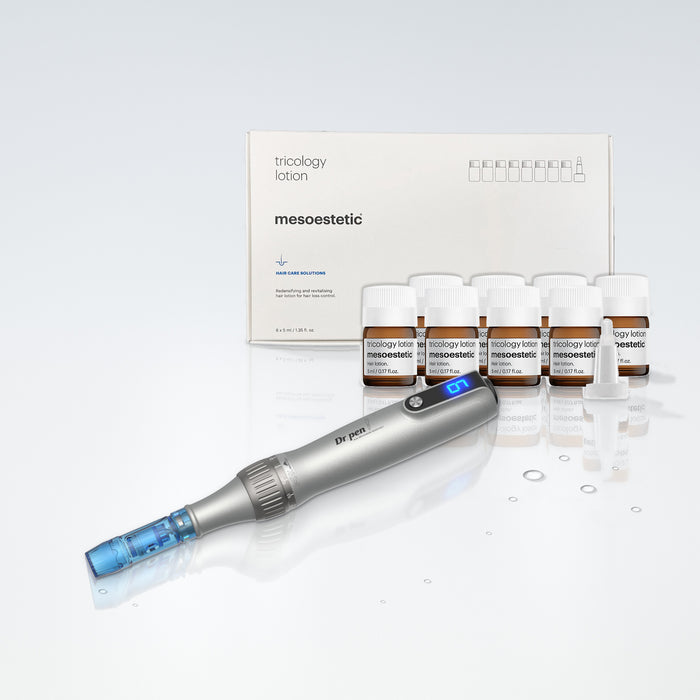
Can I use this depth on my scalp for hair growth? Do not use 3 mm on your scalp at home. Hair loss has multiple causes, and needling may be unsuitable for an inflamed or diseased scalp. The FDA has not cleared microneedling devices for hair loss. A dermatologist can diagnose the cause and discuss appropriate treatments.
Does numbing cream make deep treatment safe? No. It reduces sensation but does not prevent tissue injury, infection or scarring. Topical anesthetics also have their own dosing and absorption risks, particularly on damaged skin or large areas. Reduced pain should never be used as a reason to increase depth.
Can I share a roller or pen cartridge if I disinfect it? No. Never share rollers or needle cartridges. Blood or other biological material may be present even when it is not visible, and household disinfection is not a substitute for validated sterilization.
Choose the right device, not the deepest setting
A 3 mm microneedle setting is not a suitable starting point, upgrade or shortcut for home skincare. If your concern seems to require deeper treatment, arrange a clinical assessment before choosing equipment.
For product questions, Dr. Pen Store can help identify genuine devices and the cartridges compatible with your model. Ask about model-specific instructions and intended users before ordering. Product support can clarify what you are buying, but a qualified clinician should determine whether invasive treatment is appropriate for your skin.