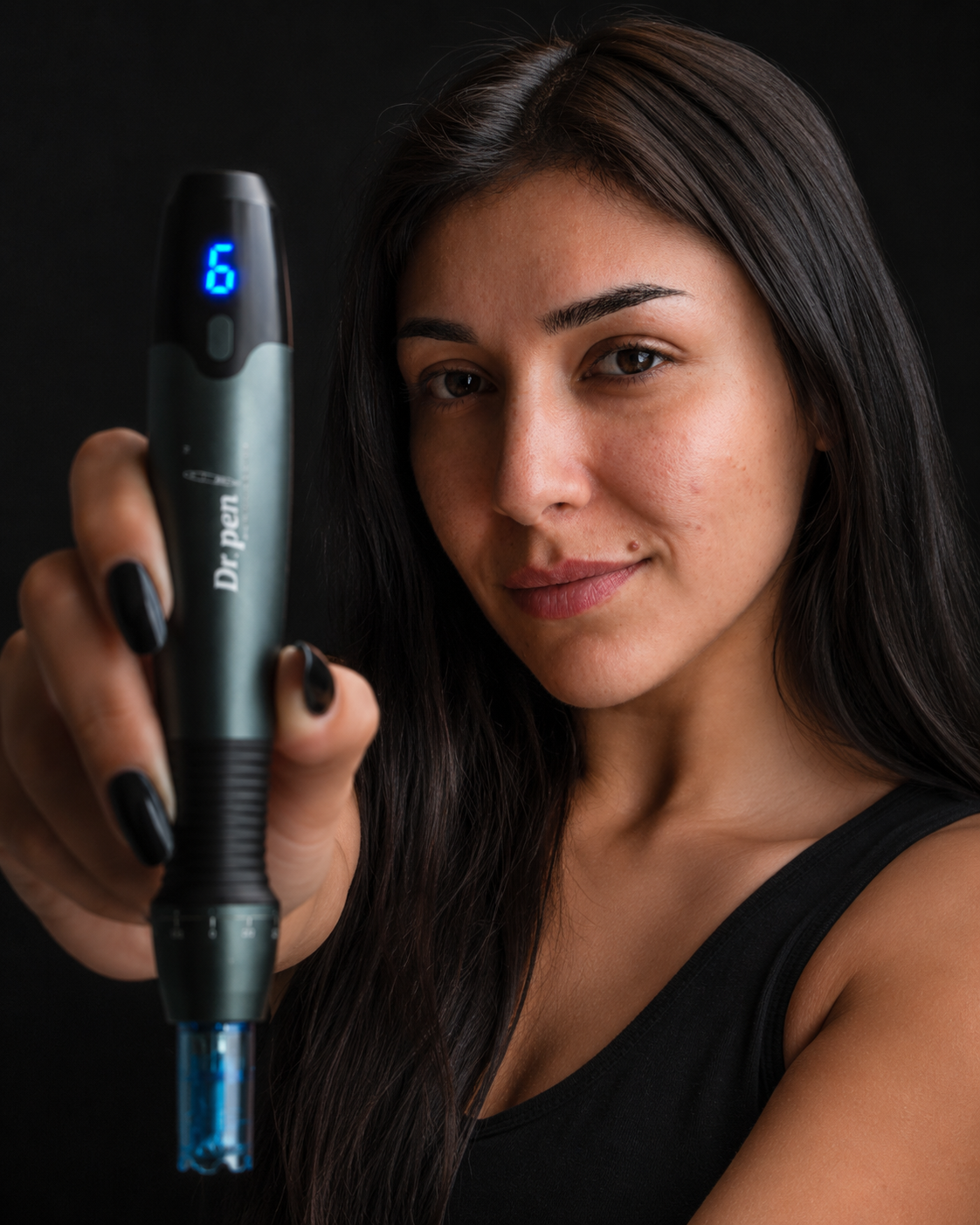
If you searched for fda approved microneedling devices, you are probably trying to avoid unsafe pens, counterfeit cartridges and vague marketplace claims. That is the right instinct, but the wording matters. In the United States, many medical devices are “FDA-cleared” through pathways such as 510(k), while “FDA-approved” is usually reserved for higher-risk devices that go through premarket approval. For a microneedling pen shopper, the smarter goal is to verify the exact regulatory claim, match the device to your intended use and buy from a source that can support authenticity, cartridge compatibility and safe operation.
What “fda approved microneedling devices” Really Means in the U.S.
Microneedling pens create controlled microchannels in the skin using fine needles. Because they can affect living tissue, sterility, needle control and intended use are not minor details. The FDA’s microneedling device guidance for consumers explains that some microneedling devices are regulated as medical devices, especially when marketed for treating scars, wrinkles or other medical or aesthetic conditions.
The phrase fda approved microneedling devices is common in search, but sellers do not always use it precisely. A legitimate claim should identify the device, manufacturer and regulatory status clearly. “FDA-cleared” means the FDA reviewed a device through a clearance pathway such as 510(k) for a specific intended use. “FDA-approved” usually means a stricter premarket approval process, which is not the usual wording shoppers should expect for most microneedling pens.
Approved, cleared, registered and listed are not interchangeable
A major red flag is a seller using FDA language without explaining what it applies to. An establishment can be registered with the FDA, a product can be listed, a device can be FDA-cleared and a different type of device can be FDA-approved. These phrases do not mean the same thing.
| Claim you see | What it may mean | What to verify before buying |
|---|---|---|
| FDA-cleared | The FDA cleared the device for a specific intended use | Device name, 510(k) number or FDA listing details |
| FDA-approved | FDA premarket approval, usually for higher-risk devices | Exact approval record and indication |
| FDA registered | The company or facility may be registered | Registration alone does not prove device clearance |
| FDA listed | A product may appear in an FDA listing database | Listing alone is not the same as clearance or approval |
| “FDA certified” | Often a vague marketing phrase | Ask for documentation, not a badge or logo |
Start With the Intended Use, Not the Most Popular Pen
Before comparing features, decide what you want the device to do. A pen used for cosmetic texture maintenance, serum absorption support or nano needling is not the same buying decision as a device chosen for deeper microneedling goals such as acne scarring or stretch mark appearance. If you are comparing fda approved microneedling devices, the stated intended use should match your actual goal.
For at-home users, conservative treatment planning matters. Depth, frequency and cartridge type affect comfort and downtime. People with active acne, open wounds, a history of keloid scarring, certain skin conditions, blood clotting issues or recent isotretinoin use should speak with a qualified professional before microneedling. If you are unsure whether microneedling fits your skin condition, Dr. Pen Store’s guide on who is suitable for micro needling is a helpful place to start.
At-home use versus clinic use
At-home microneedling devices are typically chosen for convenience, ongoing maintenance and moderate cosmetic goals. Clinics may use professional protocols, stronger numbing options and more controlled sterile environments. A home device should never be treated like a shortcut to aggressive clinical treatment. Choose a pen that gives you enough control to stay within safe, appropriate settings for your experience level.
How to Verify an FDA Claim Before You Buy
When shoppers ask for fda approved microneedling devices, what they often need is a verification process. Do not rely on a product image that shows an FDA logo, a marketplace badge or a sentence copied across multiple listings. Regulatory status should be traceable.
A practical verification process looks like this:
- Check whether the seller says “FDA-cleared,” “FDA-approved,” “FDA registered” or something vague.
- Ask which exact device model the claim applies to, not just the brand family.
- Look for a 510(k) number or other identifying record when the seller claims clearance.
- Confirm the intended use covered by the claim.
- Make sure cartridges, needles and accessories are compatible with the device you plan to use.
- Buy from a specialist source that can provide after-sales support, not an anonymous marketplace listing.
You can also search the FDA’s 510(k) Premarket Notification database if a seller provides a 510(k) number. If the seller cannot explain the claim, cannot identify the model or keeps switching between “approved,” “cleared” and “registered,” treat that as a reason to pause.

Safety Features That Matter More Than Marketing
Regulatory wording is only one part of the decision. A safe buying choice also depends on mechanical stability, sterile consumables and clear instructions. Even the best pen can become unsafe if paired with the wrong cartridge, reused needles or poor hygiene.
When comparing fda approved microneedling devices, look closely at these practical details:
- Single-use sterile cartridges: Needles should be sealed before use and disposed of after one session.
- Compatible cartridge system: A cartridge that does not fit securely can affect needle stability and treatment consistency.
- Adjustable depth control: Depth should be easy to set and should not shift during use.
- Consistent motor performance: Uneven movement can increase discomfort and create inconsistent passes.
- Clear instructions: Safe operation depends on preparation, technique, aftercare and cleaning guidance.
Cartridge choice also affects how the pen feels and what it is suited for. Nano tips are generally used for more superficial cosmetic infusion, while micro-needle cartridges are selected for traditional microneedling goals. If you are comparing cartridge styles, the Dr. Pen Store guide to micro-needles vs nano-needles explains the practical differences.
Choose Genuine Devices and Compatible Cartridges
Counterfeit pens and unverified cartridges are a real concern in the microneedling category. A low price can hide problems such as poor needle alignment, questionable sterility, missing support and no reliable compatibility information. For anyone researching fda approved microneedling devices, authenticity should be part of the safety checklist, not an afterthought.
Dr. Pen Store focuses on genuine Dr. Pen devices, compatible replacement cartridges and product support. If you are comparing models such as A20, M8S, A11, A8S, A10, M9 or Hydra Pen options, start with your goal, your experience level and the cartridge type you will need most often. Dr. Pen Store identifies the A20 as FDA-cleared, which makes it especially relevant for buyers prioritizing U.S. regulatory status.
For a broader model-selection framework, use the store’s guide on how to choose the right Dr. Pen microneedling pen. It covers skin goals, comfort level and practical device considerations without assuming that the most advanced model is automatically the best fit.
Why cartridge compatibility deserves extra attention
Microneedling pens are not universal cartridge handles. A cartridge can look similar and still be wrong for a specific model. Poor fit can lead to wobbling, uneven needle movement or wasted product. Before buying, confirm the cartridge type, needle count, nano or micro format and the exact device models listed as compatible.
Replacement cartridges should also be bought from a reliable seller. Do not reuse cartridges, even if the needles appear clean. Single-use sterile cartridges reduce contamination risk and help maintain predictable performance.
Match Serums and Aftercare to the Device
The device is only one part of the session. What you apply before, during and after microneedling can influence comfort and irritation risk. If a seller promotes fda approved microneedling devices but also recommends harsh actives immediately after needling, that is a sign the guidance may not be serious enough.
Many users choose simple hydrating products, such as hyaluronic acid based serums, around microneedling. Strong exfoliating acids, retinoids, fragranced formulas and irritating actives are commonly avoided around treatment windows because freshly needled skin is more reactive. Dr. Pen Store’s article on the best serums to use with microneedling gives practical guidance on what to pair with your device and what to avoid.
Aftercare should be simple: keep the skin clean, avoid picking, protect against sun exposure and pause intense actives until the skin has settled. Follow your device instructions and choose professional advice when treating deeper concerns.
Buying Checklist for fda approved microneedling devices
Use this checklist before committing to a microneedling pen, especially if the listing uses FDA language as a selling point.
| Buying question | Why it matters |
|---|---|
| Does the listing say FDA-cleared, FDA-approved or only FDA registered? | These claims mean different things and should not be mixed together |
| Is the exact model identified? | Clearance or approval does not automatically apply to every device from a brand |
| Can the seller provide supporting information? | Serious sellers should be able to explain the claim clearly |
| Are genuine replacement cartridges available? | A device is only useful if safe, compatible consumables are easy to source |
| Is the intended use aligned with your goal? | A device should match your treatment area, depth needs and experience level |
| Is after-sales support available? | Setup, troubleshooting and cartridge questions are easier with specialist support |
Price matters, but it should not be the first filter. A microneedling pen is a device that interacts directly with your skin. The safer purchase is usually the one with traceable authenticity, compatible cartridges, clear instructions and realistic claims.
Common Red Flags to Avoid
Some listings are designed to look reassuring without giving useful proof. Be careful when a seller relies on polished photos but gives no model-specific details, no cartridge compatibility guidance and no clear return or support information.
A few warning signs are especially common in listings targeting people searching for fda approved microneedling devices. Watch for phrases such as “FDA certified” without documentation, unrealistic before-and-after claims, unsealed cartridge bundles, unclear manufacturer details and pens sold with generic cartridges that claim to fit “all models.” Also be skeptical of reviews that discuss shipping speed but say nothing about authenticity, cartridge fit or device performance.
If you are comparing brands beyond one model, Dr. Pen Store’s guide on what to look for in microneedling pen brands can help you evaluate support, authenticity and compatibility claims more carefully.
Frequently Asked Questions
Are any microneedling devices FDA approved? Some microneedling devices may have FDA clearance for specific intended uses, but “FDA-approved” is often used loosely in online listings. Always verify the exact claim, device model and intended use.
Is FDA-cleared the same as FDA-approved? No. FDA-cleared usually refers to a device cleared through a pathway such as 510(k), while FDA-approved usually refers to premarket approval for higher-risk devices. For microneedling pens, “FDA-cleared” is often the more relevant term to check.
Does FDA registration mean a microneedling pen is safe? Not by itself. Establishment registration or product listing does not equal FDA clearance or approval. It is only one piece of regulatory information.
Can I use any cartridge with a microneedling pen? No. Cartridges must be compatible with the exact pen model. Using the wrong cartridge can affect needle stability, comfort and safety.
What is the safest way to buy a Dr. Pen device? Buy from a specialist retailer that sells genuine devices, clearly identifies compatible cartridges and provides product support. Avoid anonymous listings with vague FDA claims or unusually cheap cartridge bundles.
A Safer Way to Choose Your Microneedling Pen
Choosing a microneedling device is not just about finding the strongest claim on a product page. It is about verifying regulatory language, buying genuine equipment, matching cartridges correctly and using the device within safe, realistic limits.
If you want to compare genuine Dr. Pen devices, FDA-cleared A20 information, replacement cartridges and compatible skincare support, start with Dr. Pen Store. A careful purchase now helps you avoid counterfeit products, mismatched cartridges and confusing claims later.